
Why Does Slay the Spire 2 Feel Harder Than the Original?
The transition from the first game to Slay the Spire 2 involves more than just a visual overhaul; it is a fundamental shift in combat philosophy. Many of the reliable "infinite" combos that players relied on in the original have been intentionally removed or redesigned. For example, the Ironclad can no longer lean on the classic Dropkick loop to bypass mechanics, and the Defect’s ability to cycle through zero-cost cards has been significantly altered. Furthermore, the Silent faces a steeper climb when building Poison decks, as the absence of Catalyst means you can no longer exponentially multiply status stacks to end fights instantly.
This sequel demands a much higher level of adaptability. Enemies are now specifically engineered to punish narrow, one-dimensional strategies. Instead of looking for a single "win condition" card, you must focus on building a versatile deck capable of handling various threats. Success in Slay the Spire 2 is less about finding a broken interaction and more about understanding how to navigate the new enemy patterns and redesigned card pools. This shift requires players to rethink their fundamental approach to the game, moving away from rigid archetypes and toward a more fluid, reactive style of play that prioritizes general deck health over specific combos.

How Should You Build Your Deck in Slay the Spire 2?
If your background is in traditional CCGs like Magic: The Gathering, you might be tempted to hunt for a specific "deck list" from the very first floor. In Slay the Spire 2, this "forcing" of archetypes is a recipe for failure. Because the card rewards are randomized, trying to build a specific deck before you see the cards often results in a collection of synergy pieces that lack the necessary triggers to function. You will frequently find yourself with a hand full of conditional cards that provide zero value because you never found the "missing piece" of the combo.
Instead, your priority should be establishing a sturdy foundation. Before specializing in a high-concept strategy, ensure your deck has the tools to survive immediate threats. This means drafting reliable damage sources, consistent defensive options, and specific counters for high-attack enemies. The game actively checks your deck’s versatility; for instance, the Waterfall Giant boss serves as a brutal tempo test that will crush any deck lacking sufficient offensive pressure. Similarly, certain elites in the Underdocks possess damage caps per turn, which can completely shut down decks that rely solely on massive burst damage.
Focus on cards that offer high individual value. The Necrobinder, for example, has access to several 1-cost cards that outperform basic Strikes and Defends while applying useful debuffs like Doom or Vulnerable. The Ironclad also features various attacks that act as direct upgrades to your starting cards by providing self-buffs. When looking at a card reward, always ask: "Does this card help me right now, even if I don't draw anything else to support it?" If the answer is no, it is usually better to pass.
How Do You Keep Your Deck Consistent?
The hallmark of an advanced player is a consistent deck. Consistency ensures that regardless of the turn, you have the tools to either mitigate incoming damage or advance your own win condition. This reliability isn't achieved by simply adding more powerful cards; it is achieved through the disciplined removal of weak ones. Every basic Strike or Defend left in your deck is a "dead draw" that prevents you from seeing your high-impact cards more frequently.
You must be proactive about thinning your deck. This means frequently visiting the Merchant specifically to pay for card removal. Your primary targets should always be your starting basic cards, as you will naturally find superior versions of these effects as the run continues. Additionally, Curses should be purged at the first available opportunity. You should also be highly selective with card rewards; skipping a reward is often better than adding a mediocre card that dilutes your draw pool.
Events are another critical tool for maintaining a lean deck, as many offer removal services in exchange for gold or health. While some players fear a large deck, the actual card count matters less than the card quality. A 30-card deck can be perfectly consistent if every card serves a vital purpose. The danger lies in "bloating"—taking every interesting card you see until your deck is a disorganized mess. A tight, focused deck will almost always outperform a bloated one, even if the latter contains more "rare" cards.
Why Should You Path Toward Elites Instead of Avoiding Them?
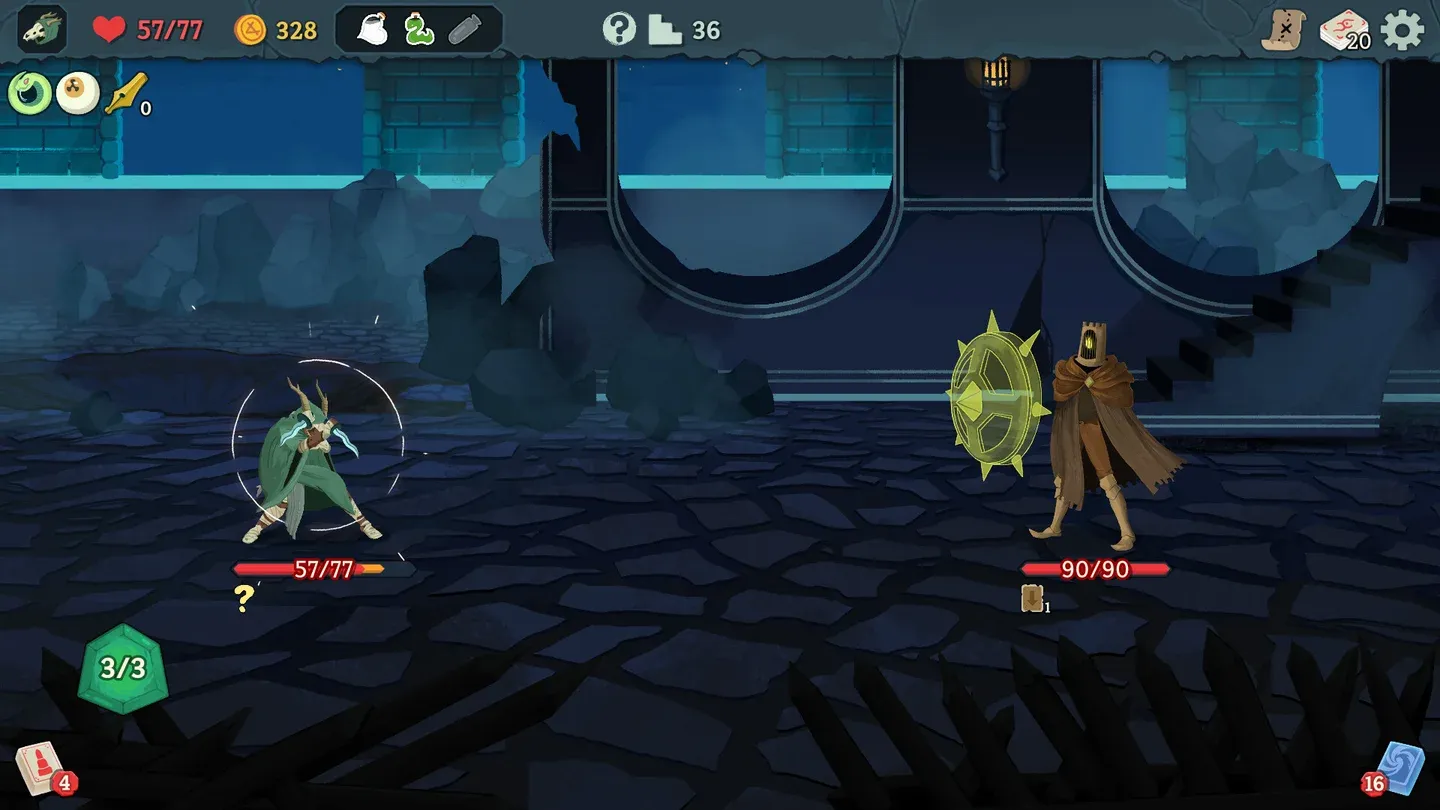
In Slay the Spire 2, relics are the primary engine of your power scaling. These items provide permanent, passive advantages that can define the success of a run. Some, like the Mummified Hand, are so impactful that they can make an entire build viable on their own. Since defeating Elites is the most reliable way to acquire relics, avoiding these fights is essentially choosing to remain weak.
While Elites are significantly more dangerous than standard hallway fights, the bounty they provide—a relic, increased gold, and better card rewards—is worth the risk to your health bar. A common mistake among beginners is taking the "safe" path to preserve HP. This often backfires, as you arrive at the Act boss without the necessary relic power or gold to survive the encounter. A good rule of thumb is to aim for at least two or three Elite encounters during the first Act.
If you lose a run to an early Elite, treat it as a learning experience rather than a failure. It is better to realize your deck lacks the power to clear the Act early on than to struggle through a low-reward path only to be destroyed by the boss. Pathing toward Elites forces you to improve your deck quickly and provides the resources necessary to scale into the later stages of the game.
How Should You Think About HP in Slay the Spire 2?
One of the most important lessons in Slay the Spire 2 is that your Health Points are a currency, not just a life bar. As long as you have at least 1 HP remaining, you are still in the game. Every point of health you "spend" by taking a risky path or choosing a high-reward event is an investment in your future strength.
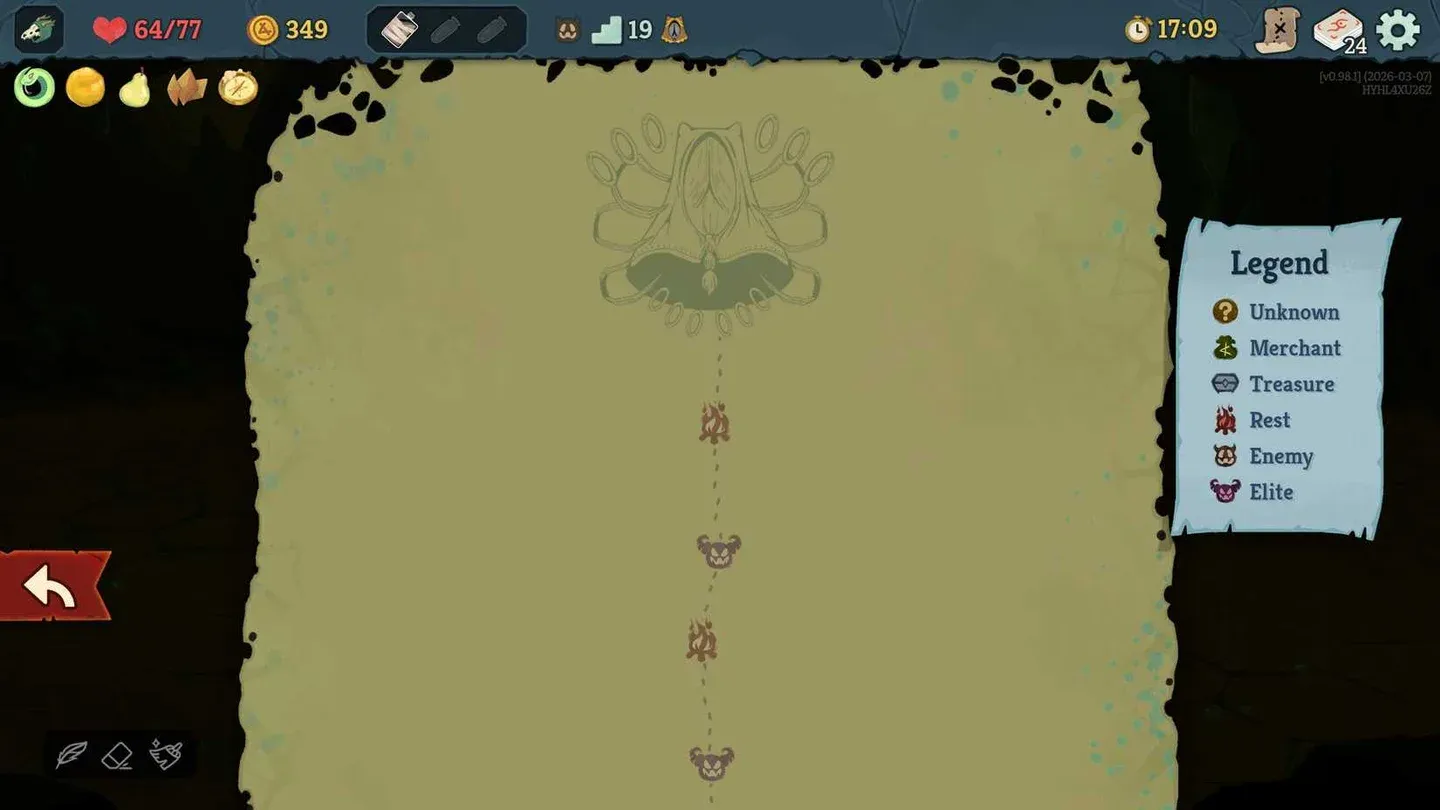
This mindset shift changes how you view the entire map. For example, if you enter a Rest Site with a decent amount of health, you should almost always choose to Smite (upgrade) a card rather than healing. The permanent power increase from an upgrade often prevents more future damage than a one-time heal would recover. Similarly, events that ask you to trade HP for relics or card removals are often the best deals in the game.
Furthermore, you must stop hoarding your potions for the "perfect" moment. Potions are proactive tools designed to help you exit difficult fights with more health. Using a potion during a tough Elite or standard encounter might save you 15 or 20 HP, which is far more efficient than holding that potion for a boss fight where it might not even make a difference. Using your resources—both HP and potions—proactively is the key to maintaining momentum throughout a run.
What Are the Best Strategies for Each Character?
Each protagonist in Slay the Spire 2 requires a specific tactical approach to conquer the Ascension levels. The Ironclad remains a powerhouse of sustainability thanks to his starting relic, which heals him for 6 HP after every combat. This cushion allows you to play more aggressively, focusing on high-damage Strength-scaling builds. While defensive "Body Slam" builds are possible, they are often harder to assemble than straightforward Strength decks, which utilize more common card drops.
The Silent plays a much slower game, often lacking the immediate burst damage of other classes. Her success usually hinges on defensive scaling and deck manipulation. Wraith Form remains a premier survival tool, and pairing it with draw-heavy discard mechanics allows you to cycle through your deck to find your answers. Discard strategies are particularly effective because they provide utility regardless of your total deck size.
The Defect is perhaps the most complex character, requiring careful management of conflicting mechanics. Echo Form is your highest priority; mastering this card will significantly boost your win rate. However, you must be wary of anti-synergies, such as the conflict between Consume and Hyperbeam. To survive the early turns while your orbs set up, prioritize cards like Boot Sequence and Frost generators, alongside powerful utility tools like Seek and Coolheaded. Balancing your setup phase with immediate defensive needs is the Defect's greatest challenge.
How Do You Unlock More Options Through Epochs?
The Epoch system is the core of metaprogression in Slay the Spire 2. By playing the game and hitting specific milestones, you progress through the timeline, which gradually unlocks a massive variety of new content. This includes everything from new relics and potions to entirely new playable characters and locations. If you find yourself hitting a wall on a specific Ascension level, engaging with the Epoch system is the best way to broaden your strategic options.
Advancing your Epochs often involves completing specific challenges, such as defeating certain bosses or clearing acts with different characters. This system encourages you to experiment with the entire roster rather than sticking to just one hero. Even if you have a favorite character, playing as others can unlock relics or cards that will appear in your future runs, potentially providing the power boost your favorite character needs to succeed.
The Epoch system ensures that even "failed" runs contribute to your overall progression. By expanding the pool of available items and encounters, you are constantly making the game more varied and giving yourself more ways to win. Always check your timeline for achievable goals, as these unlocks are essential for long-term success in the higher Ascension tiers.
Card Upgrade Strategy: When Should You Smith vs. Rest?
The decision to Smith or Rest at a campfire is one of the most frequent and impactful choices you will make. Generally, you should prioritize Smithing to upgrade your cards whenever possible. An upgraded deck is significantly more efficient, often reducing energy costs or increasing damage and block values to the point where you take less damage in future fights. Only Rest if your health is so low that you are unlikely to survive the next mandatory encounter.
Certain cards, like Apotheosis, should be prioritized above almost everything else. Since Apotheosis upgrades every card in your deck for the duration of a combat, it can single-handedly solve your scaling issues. If you have this card, you can afford to take more "Rest" actions because your deck is already effectively upgraded. Without it, you should aim to Smite at least twice per Act by carefully planning your route through campfires.
When it comes to gold, discipline is vital. It is tempting to buy an interesting card every time you visit a shop, but your gold is better spent on high-impact relics or card removals. Relics like Orichalcum, which provides free block, or Vajra, which boosts all attacks, provide value in every single room. A single card might only be drawn once or twice per fight, but a relic is always active. Save your gold for these transformative purchases rather than spending it on marginal improvements.