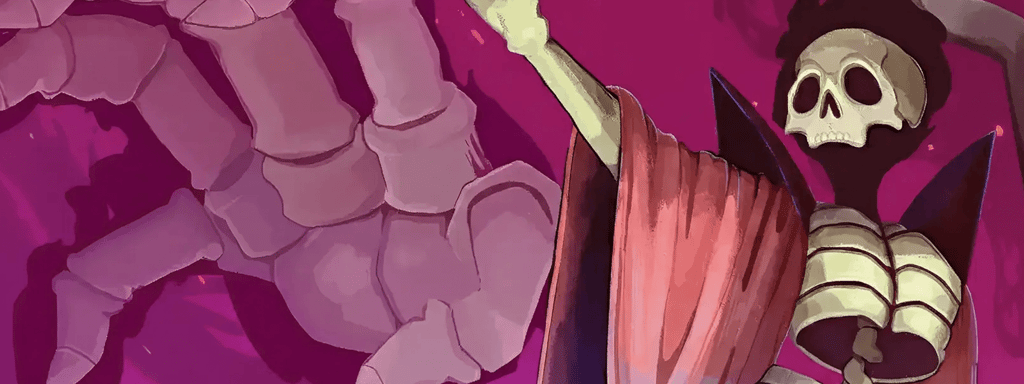
The Necrobinder is the flagship new character of Slay the Spire 2. She is a Spireborn lich who fights alongside Osty — a massive, reanimated skeletal hand. Her two core systems are the Summon mechanic (growing Osty's persistent HP pool) and the Doom death-mark (executing enemies when their HP falls to or below their Doom count). Tactically dense and high-ceiling, she is not recommended for new players but rewards mastery.
Unlock Chain: Ironclad → Silent → Regent → Necrobinder → Defect
Unlock Necrobinder by completing any run with the Regent. → All Necrobinder cards · All Necrobinder relics
Difficulty: Advanced. The Necrobinder is not a recommended starting character for new players, but for veterans she offers the highest skill ceiling in the game.
Starting Stats
| Stat | Value |
|---|---|
| Starting HP | 66 (Ascension 2+: 52) |
| Max HP | 66 |
| Starting Energy | 3 |
| Starting Deck Size | 12 |
| Starting Relic | Bound Phylactery |
| Passive | At the start of each turn, Summon 1 (grows Osty's HP) |
Starting Deck: Strike ×5 · Defend ×5 · 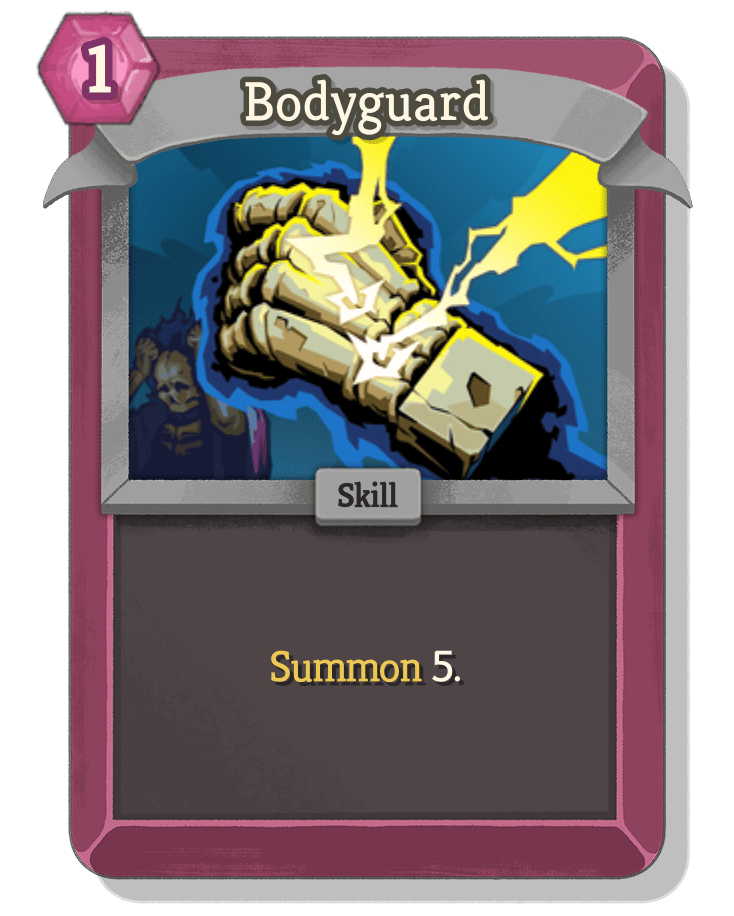 Bodyguard ×1 ·
 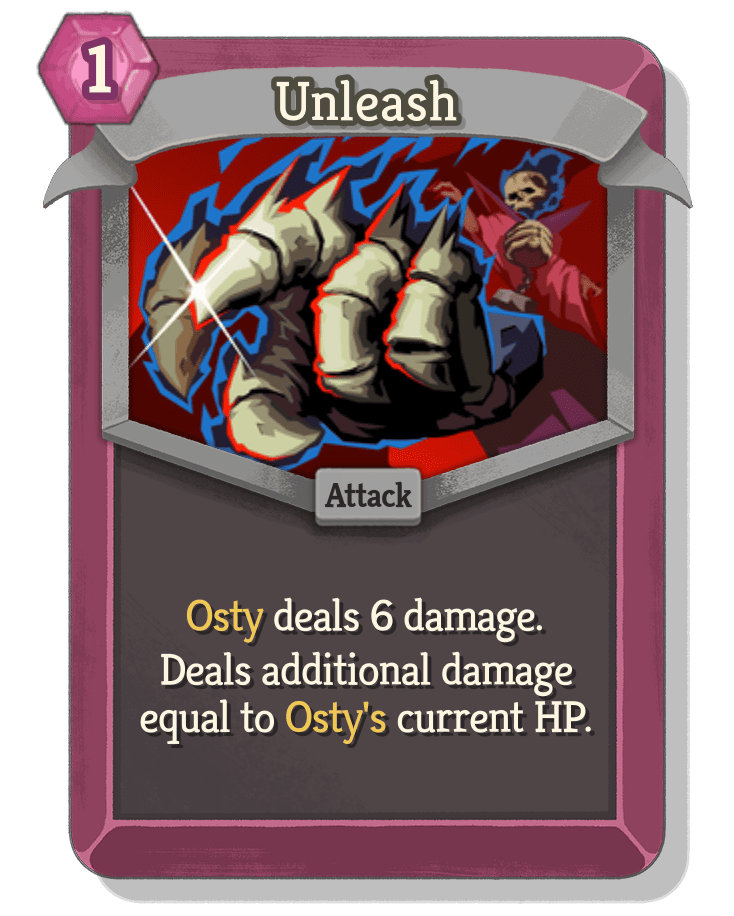 Unleash ×1
Her starter relic, Bound Phylactery, automatically Summons 1 at the start of each turn, passively growing Osty's HP without spending a card. It can be replaced over the course of a run by Phylactery Unbound ("Summon 5 at the start of combat. Summon 2 at the start of each turn").
Core Mechanics
Osty — Your Companion
Osty is the Necrobinder's giant skeletal companion. Unlike Block (which resets to 0 at the end of each turn), Osty gains Summon HP — a persistent HP pool that acts as a physical shield. Because Summon doesn't wear off, Osty becomes increasingly durable over a long fight.
Osty attacks when you play cards that command him — like Unleash, 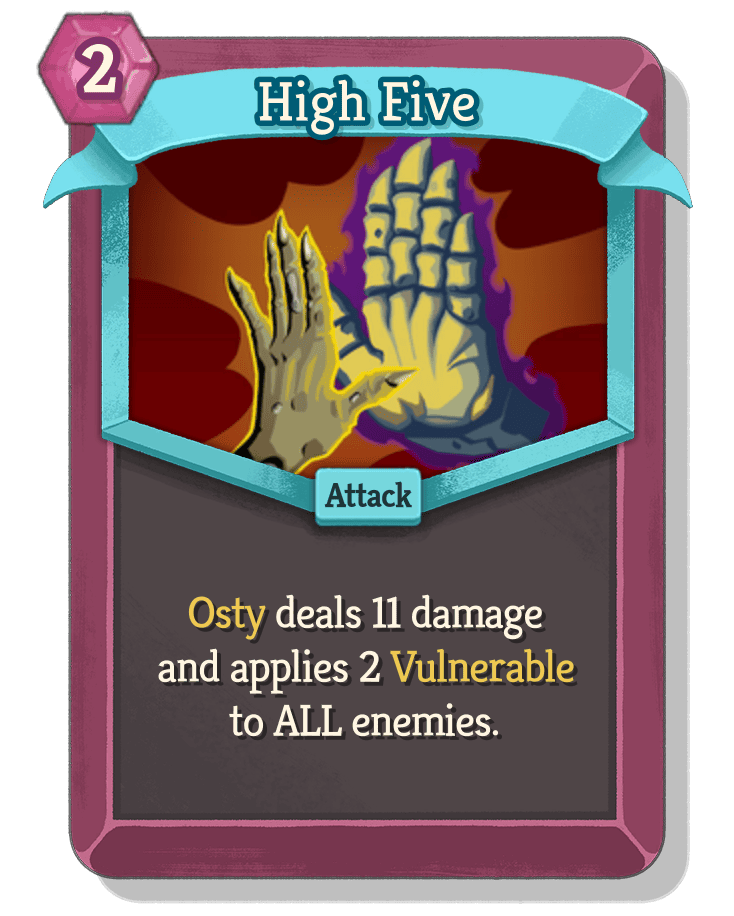 High Five, or
 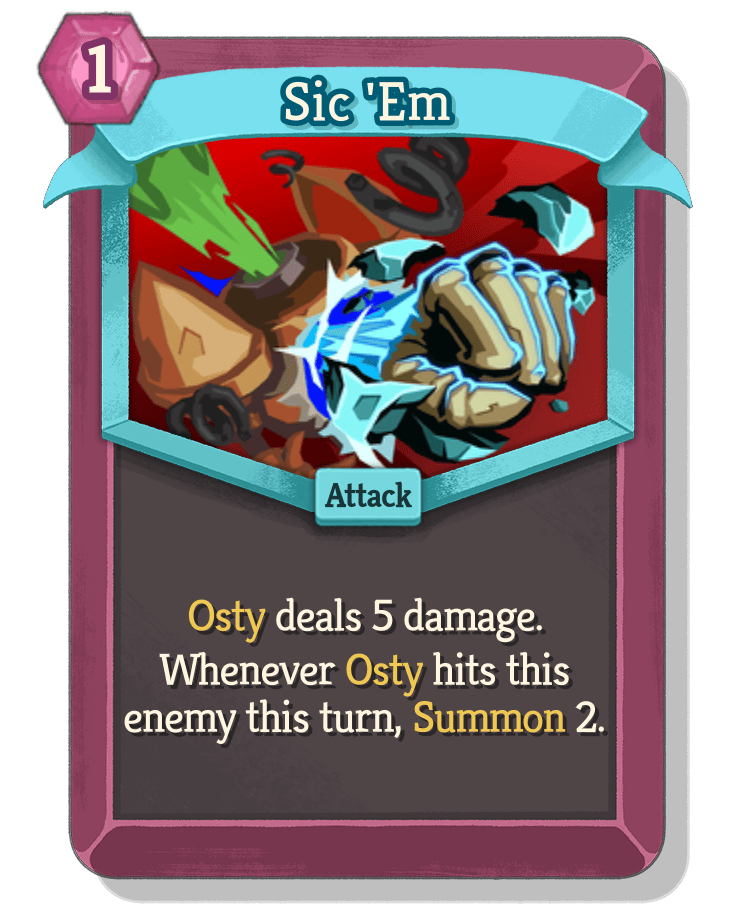 Sic 'Em — or automatically each turn once
 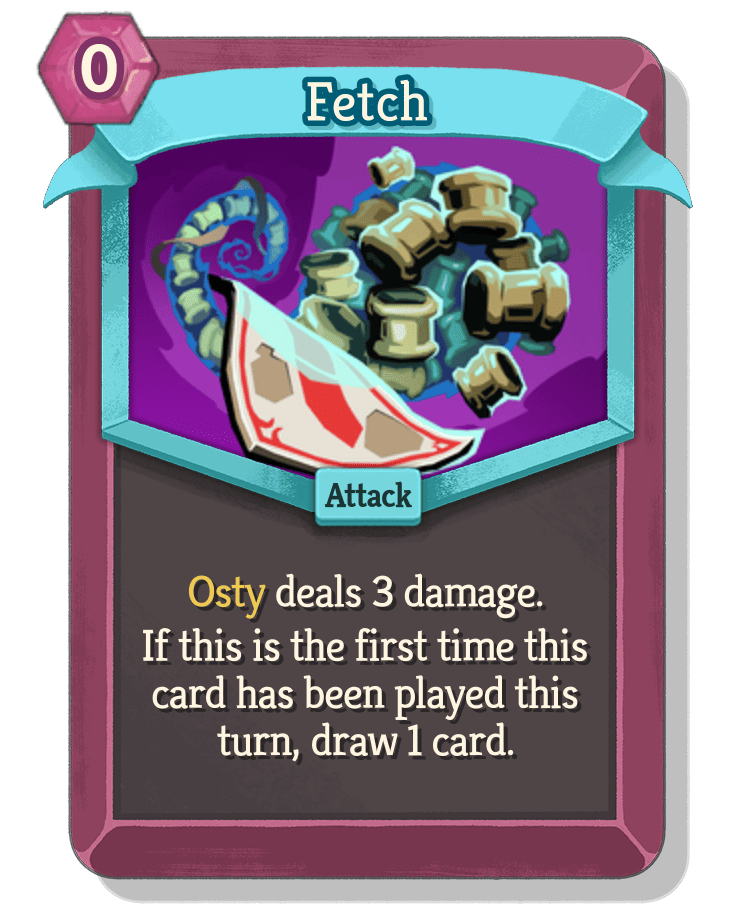 Fetch is in play. His attacks trigger
 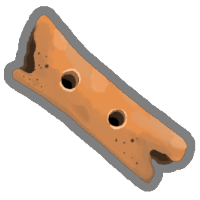 Bone Flute ("Whenever Osty attacks, gain 2 Block").
Summon
Summon N is the keyword that increases Osty's HP by N. Cards like Bodyguard (Summon 5), 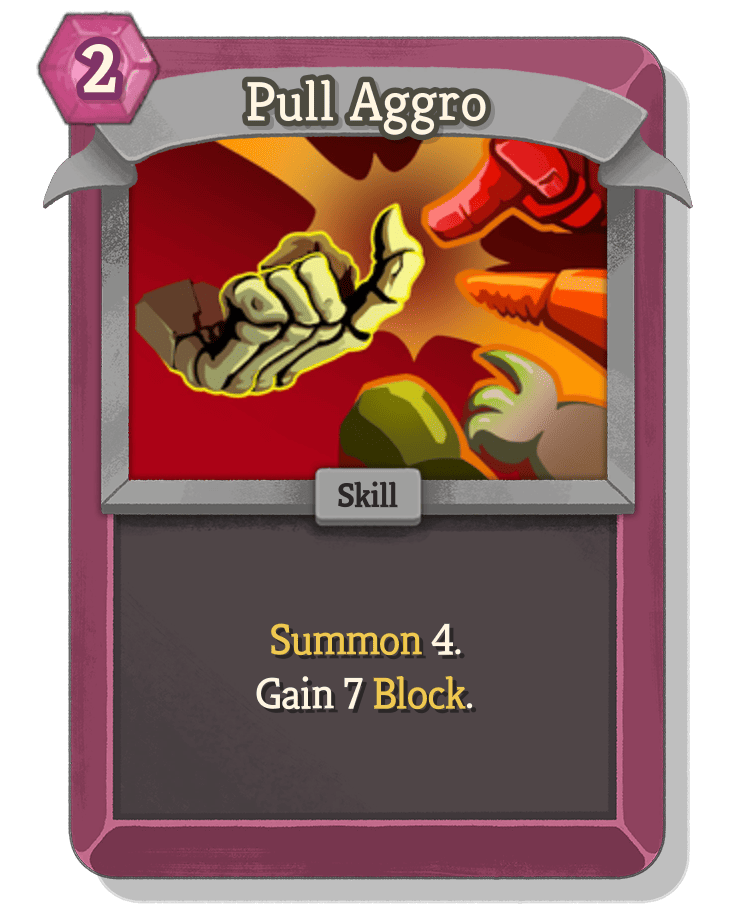 Pull Aggro (Summon 4 + 7 Block), and
 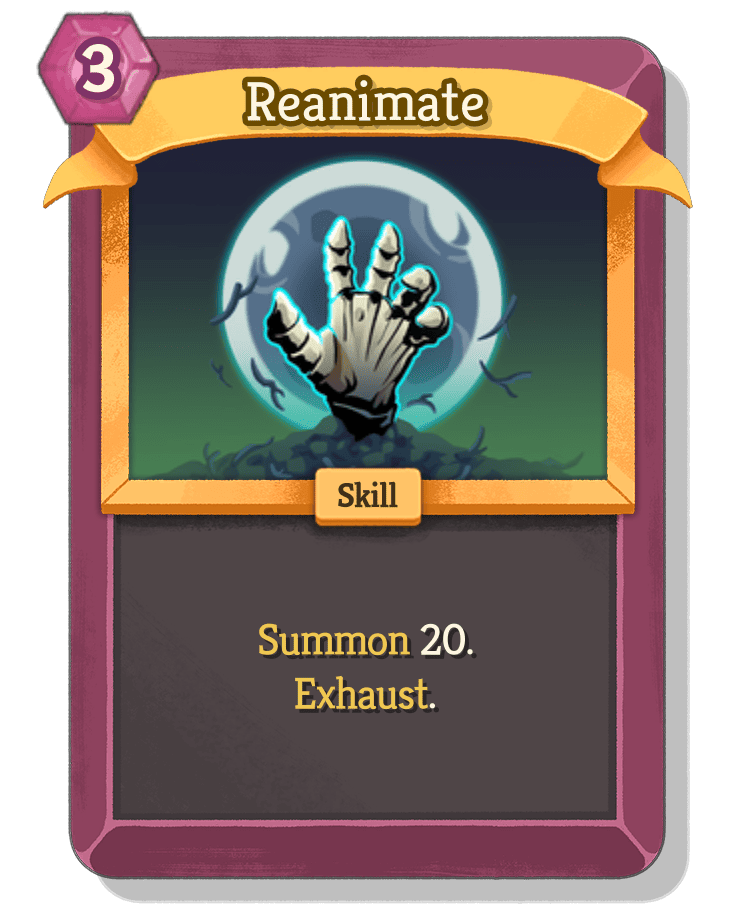 Reanimate (Summon 20) are the backbone of the Osty build.
Doom
Doom is a death-mark debuff applied to enemies. At the end of an enemy's turn, if its current HP is ≤ its Doom stacks, it dies instantly. Cards like 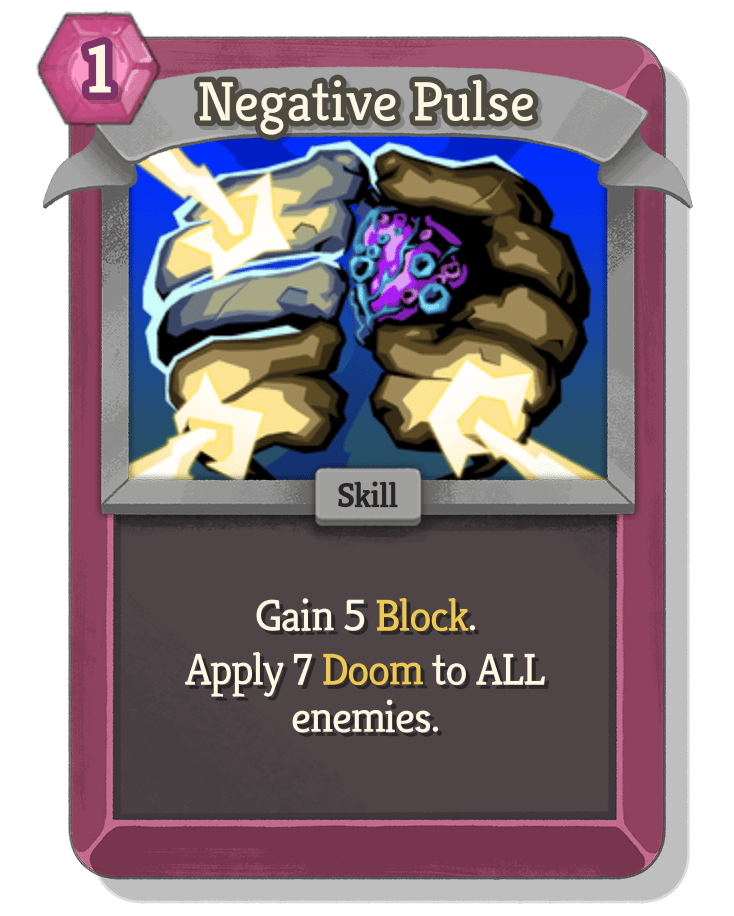 Negative Pulse (Gain 5 Block + Apply 7 Doom to ALL enemies),
 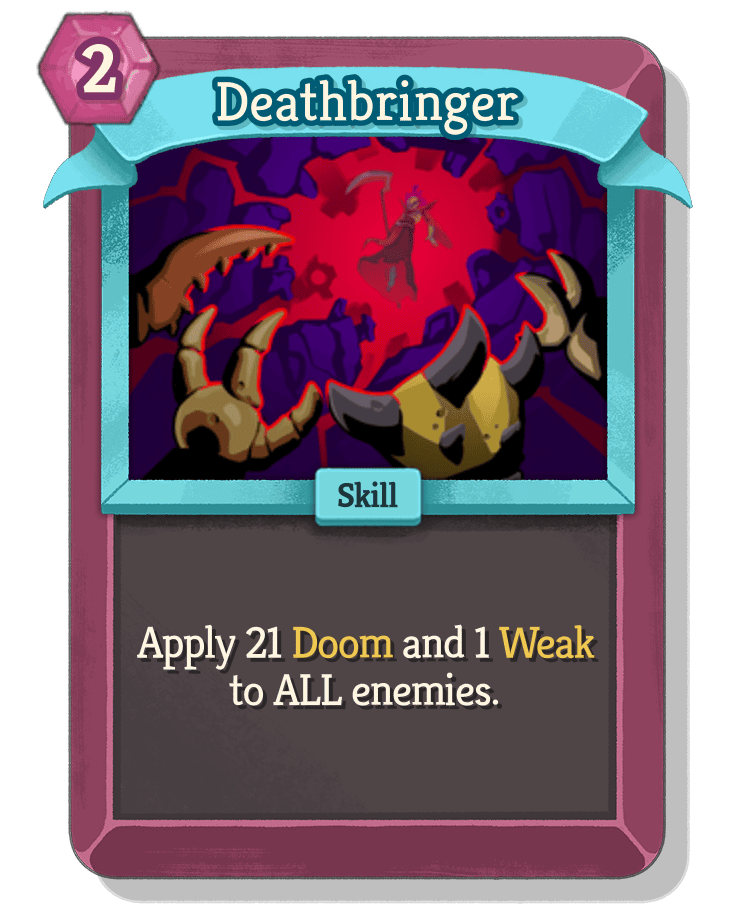 Deathbringer (Apply 21 Doom + 1 Weak to ALL enemies), and
 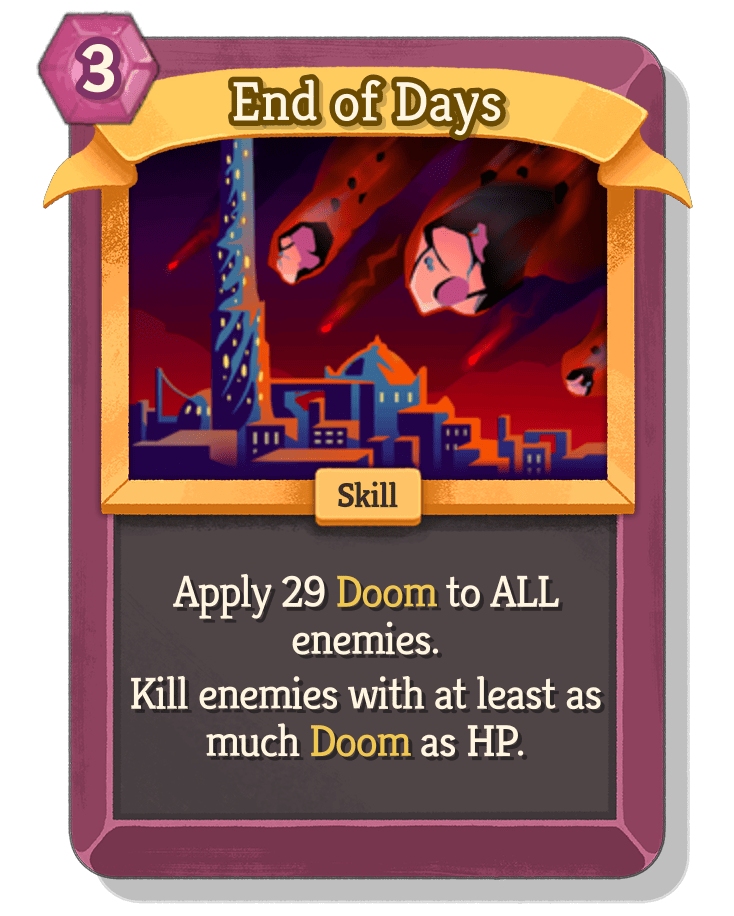 End of Days (Apply 29 Doom + immediate execute check) form the Doom archetype.
Souls
Souls are special cards added to your draw pile by relics like  Funerary Mask ("At the start of each combat, add 3 Souls into your Draw Pile"). When drawn, they generate card draw, giving the Necrobinder exceptional deck cycling.
Core Archetypes
Archetype 1: Osty Deck (Summon Focus)
Concept: Grow Osty's HP via Summon cards, turning the giant hand into an increasingly durable shield and powerful attacker. Unlike Block, Osty's HP persists between turns — making the strategy snowball strongly into prolonged fights.
Key Cards
How to Win: Stack Summon HP on Osty so he absorbs all incoming hits, then use Osty attack cards for high damage output. Fetch + Bone Flute creates a powerful passive loop — free Block every turn without spending energy. Reanimate provides a massive Summon 20 spike when Osty needs emergency restoration.
Relic Priorities
- Bone Flute — Whenever Osty attacks, gain 2 Block. Synergizes with Fetch and all Osty attack cards.
- Funerary Mask — Adds 3 Souls to draw pile at combat start for extra card draw.
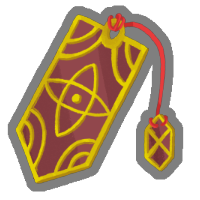 Bookmark — At the end of each turn, lower the cost of a random Retained card by 1 until played; pairs well with strategic hand management.
Archetype 2: Doom Deck
Concept: Apply Doom stacks to enemies — when an enemy's HP falls to or below its Doom count at the end of its turn, it dies instantly. This lets you execute high-HP enemies without grinding them down through normal damage. You still need a reliable Block plan, especially in Act 1 before Doom synergies fully come online.
Key Cards
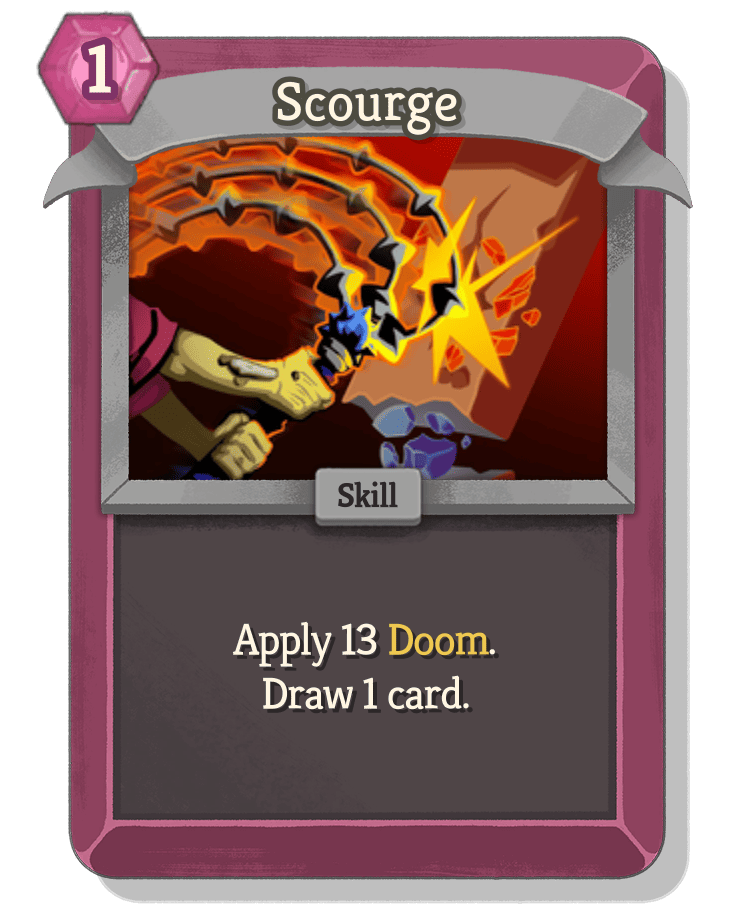
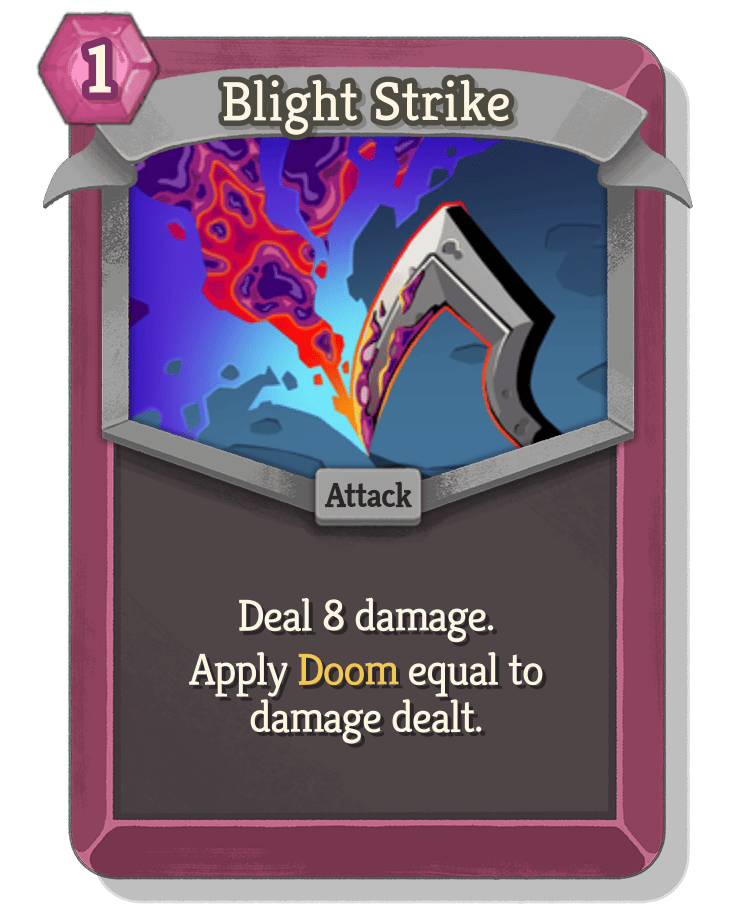
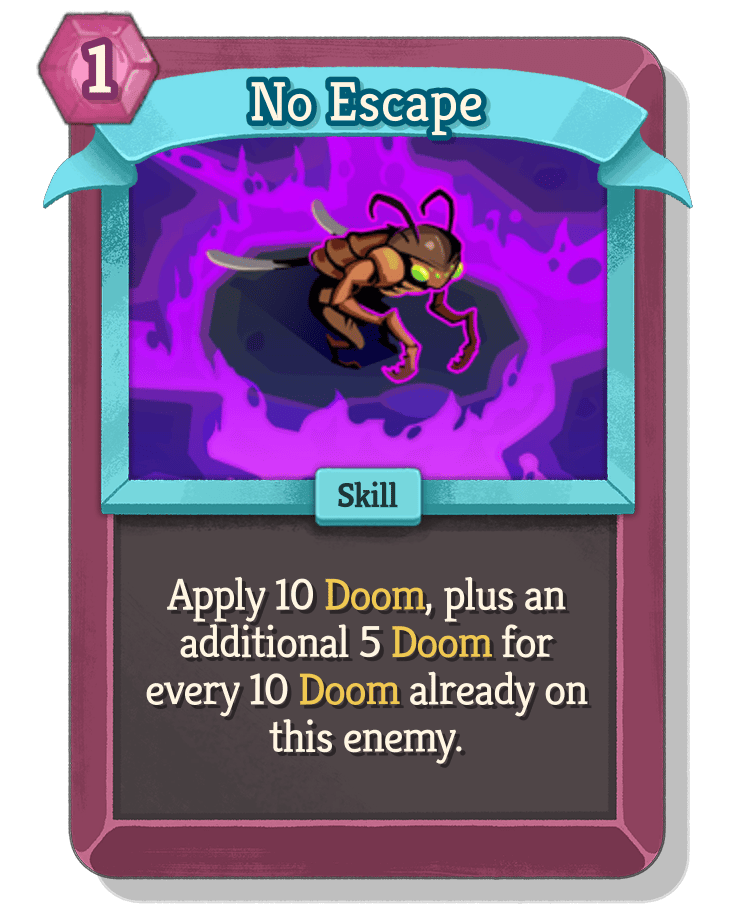
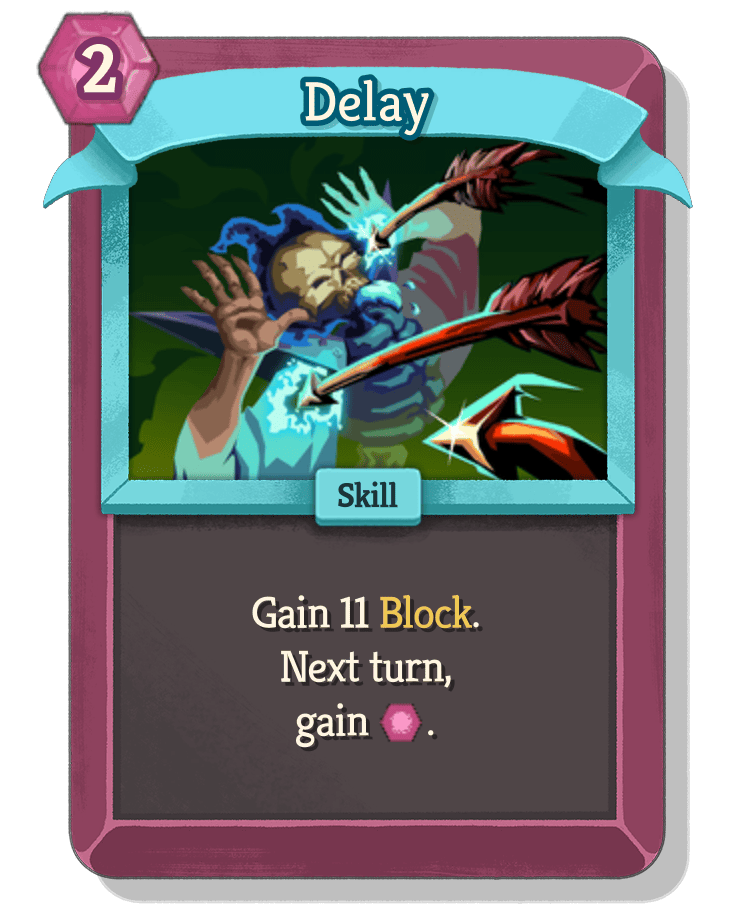
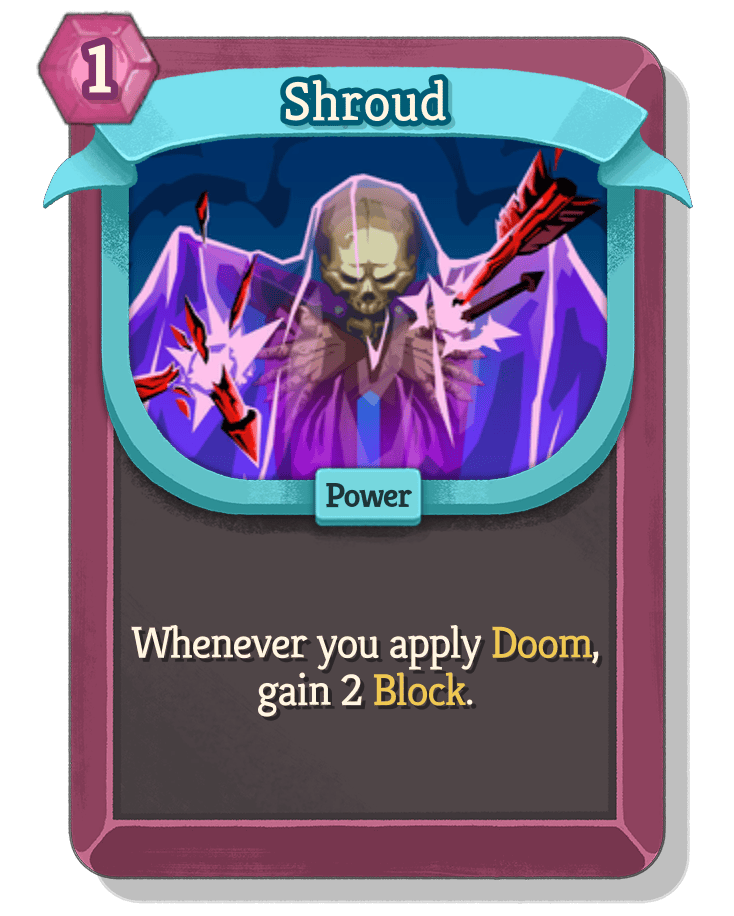
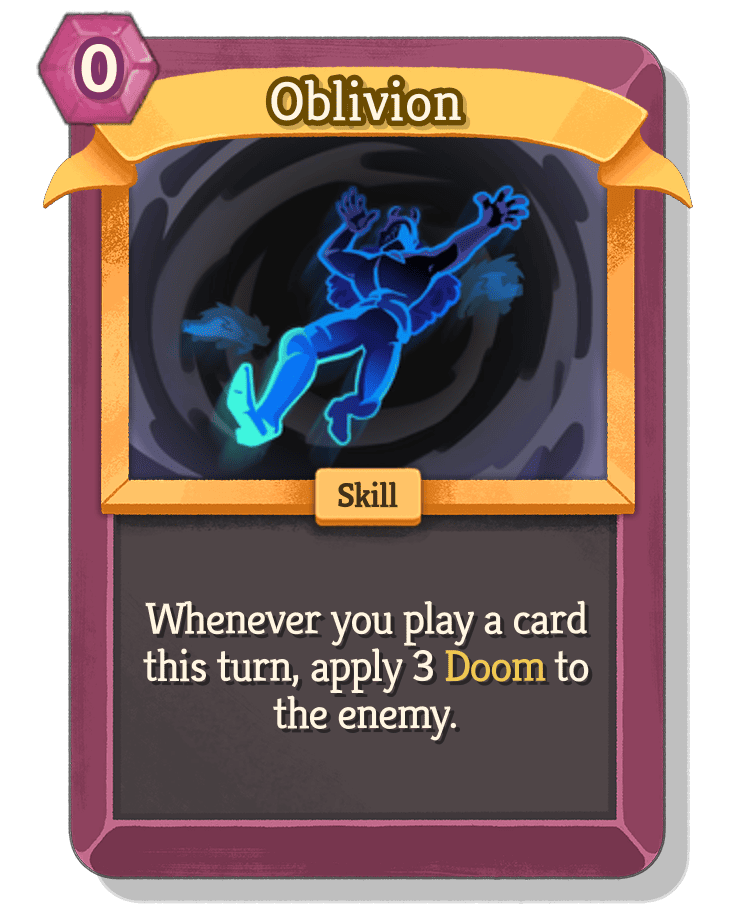
How to Win: Apply Doom fast enough that enemies die before they can deal fatal damage. Shroud is pivotal — it converts every Doom application into Block, solving the defensive gap. Oblivion cascades Doom with every card played in a turn. End of Days closes out multi-enemy fights with an AoE execute.
Relic Priorities
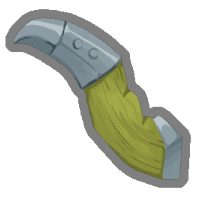 Book Repair Knife — Whenever a non-Minion enemy dies to Doom, heal 3 HP. Keeps you healthy through each fight.
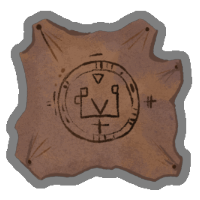 Undying Sigil — Enemies with at least as much Doom as HP deal 50% less damage. Effectively halves incoming damage from any enemy near execution threshold.
- Funerary Mask — Doom decks run lean; extra Souls draw accelerates finding key Doom cards.
Unique Relics
Unique Potions


Managing Osty's Survivability
Osty functions as the Necrobinder's primary damage absorber. Unlike Block (which resets), his Summon HP persists — but he can still be damaged and destroyed. Key principles:
- Never neglect Summon maintenance. If Osty's HP drops too low, he can no longer tank effectively. Prioritize Summon cards to restore and grow his HP pool.
- Osty builds need reliable Summon in Act 1. Bodyguard and Pull Aggro are your highest priority early pickups. Every copy helps.
- Doom builds still need Block. Delay is your best defensive card in the Doom setup — 11 Block plus an energy refund next turn.
- Don't mix archetypes carelessly. Doom cards don't help Osty grow. Summon-heavy cards don't apply Doom. Pick a direction early and commit.
Act-by-Act Priority Checklist
Act 1 Goals
- Grow Osty: take Pull Aggro and additional Bodyguard copies
- Identify archetype direction (Doom or Osty)
- Take Negative Pulse if offered — it contributes to both archetypes
- Reach the Boss with 45+ HP
Act 2 Goals
- Lock in your primary archetype
- Osty path: look for Fetch, Sic 'Em, Bone Flute
- Doom path: look for Shroud, Book Repair Knife, Deathbringer
- Add a Souls package via Funerary Mask if card draw is too slow
Act 3 Goals
- Osty: aim for Reanimate and max Summon-per-turn coverage
- Doom: secure End of Days and Oblivion as win conditions
- Trim low-synergy cards — quality over quantity
- Identify your Heart strategy: sustained Doom application or Osty tank + attack burst